Sliding Drawer Boxes vs. Magnetic Rigid Boxes: Which Should You Choose?
Compare sliding drawer and magnetic rigid boxes by structure, opening, inserts and presentation. Use a practical checklist to prepare your packaging brief.
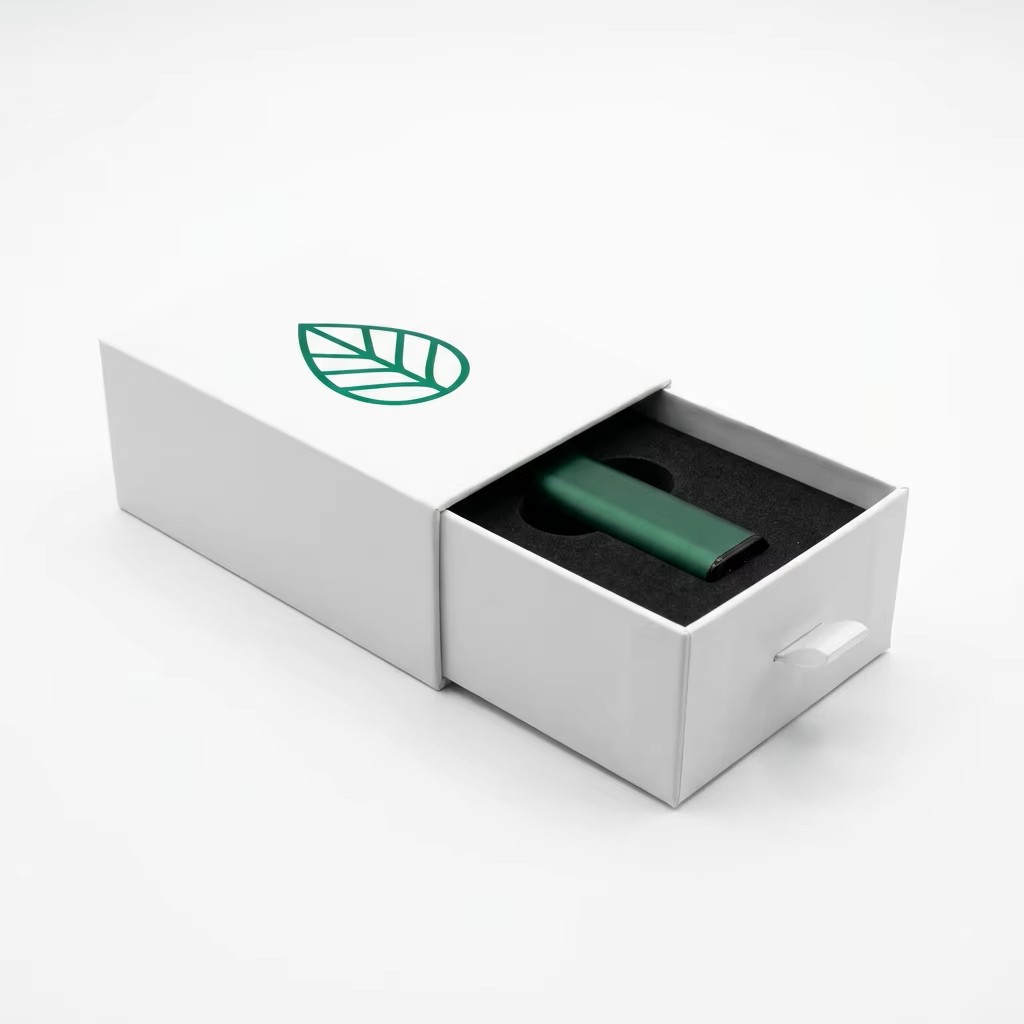
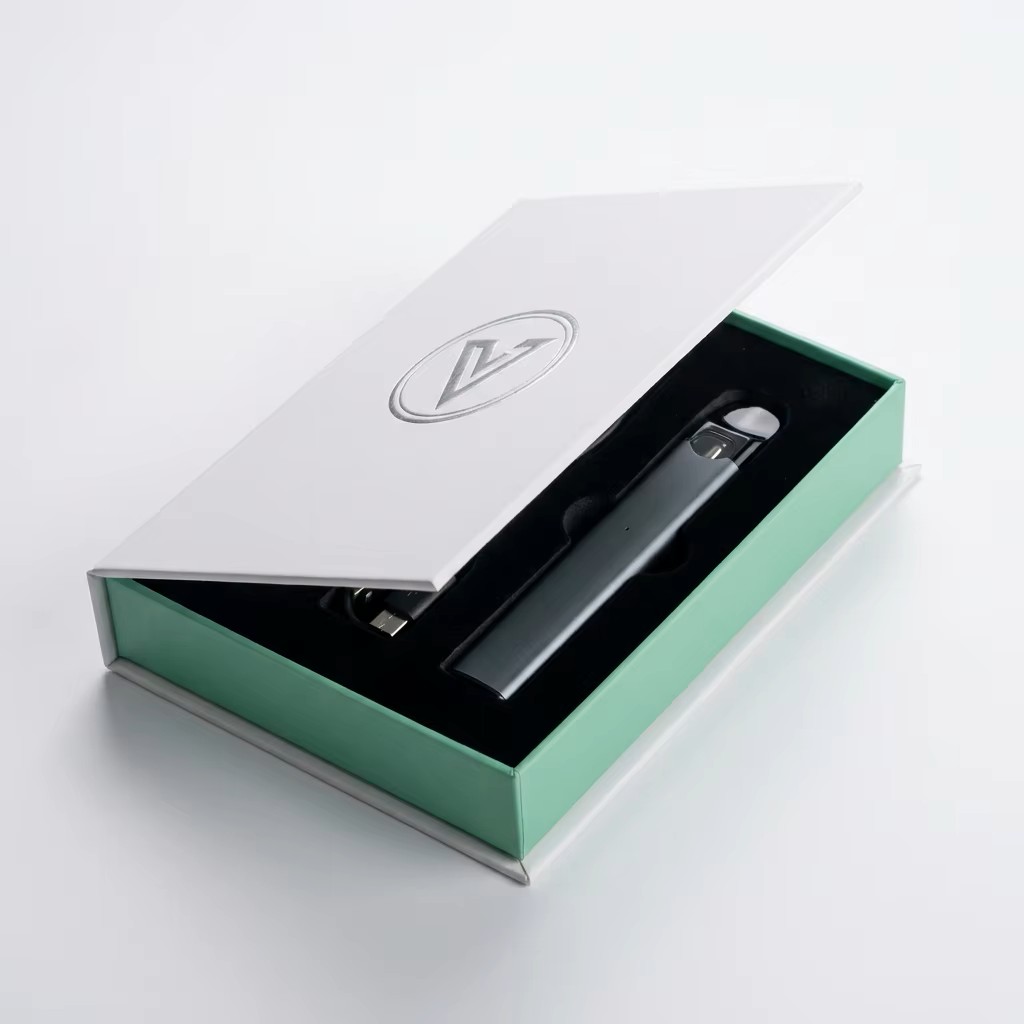
Sliding drawer boxes and magnetic rigid boxes offer different ways to open and present a product. The useful comparison is how each structure fits your item, interior arrangement and intended presentation—not which name sounds more premium.
MisiPackage describes customization options for both formats. Use the same product brief when comparing them so differences in dimensions, inserts or finishes do not obscure the structural choice.
Quick decision: drawer or magnetic rigid?
- Start with a sliding drawer proposal when the intended opening centers on a tray sliding out of a branded sleeve, with the product arranged inside the tray.
- Start with a magnetic rigid proposal when the intended opening centers on lifting a lid to reveal the interior arrangement.
Compare product fit, insert layout and the quoted construction before deciding. Neither format is automatically cheaper or more protective.
Compare the sleeve-and-tray structure with the lid
A sliding drawer box combines an outer sleeve with a sliding tray. The product sits in the tray, with an insert considered as part of the interior arrangement.
A magnetic rigid gift box uses a lid and magnetic closure. The lid construction and interior layout shape how the product is revealed when the box opens.
Confirm the actual construction for either proposal. Do not infer board thickness, opening accessories or an assembled/collapsible format from a product name or illustration.
Think through the opening and presentation
When a drawer is the starting point
Consider a drawer when the planned presentation centers on sliding the tray out of a branded sleeve. Show how far the tray should be accessible and which parts of the product need to remain easy to reach.
When a magnetic lid is the starting point
Consider a magnetic box when the planned presentation centers on opening a lid and viewing the interior arrangement. Identify which item should be seen first and how the lid and surrounding panels carry the branding.
| Decision | Sliding drawer box | Magnetic rigid box |
|---|---|---|
| Opening | Review sleeve/tray movement and access. | Review lid opening and magnetic closure. |
| Presentation | Plan the tray and sleeve together. | Plan the lid and visible interior together. |
| Insert | Review placement within the tray. | Review placement within the box interior. |
| Branding | Coordinate sleeve, tray and interior artwork. | Coordinate lid, sides and interior artwork. |
| Order comparison | Request a project-specific specification and quote. | Request a project-specific specification and quote. |
Plan the insert before deciding on the format
Both existing product pages describe insert options. Supply product dimensions, orientation and an arrangement sketch rather than requesting an unspecified insert.
For a hypothetical set containing a main item and an accessory, label both positions and identify how each should be removed. Ask for the proposed insert material and construction to be confirmed for each box option. This is a planning example, not a claim about a completed customer project.
Compare customization on a matched basis
Custom printing, foil stamping and embossing are described for both formats. The drawer page also discusses paper stocks and specialty materials; the magnetic-box page discusses specialty papers and textured surfaces.
Send the same artwork and finish references for both proposals. Record any differences in the quoted materials, insert or presentation before treating the prices as directly comparable.
Minimum quantities vary by packaging style, materials and production requirements. Production timing is confirmed for the specifications and order being quoted; neither format has a fixed timeline established here.
Use the sample review to make the choice
Samples are available to help you review structure, materials and design before bulk production. Use a consistent review checklist:
- Does the product fit in the intended orientation?
- Can the product and accessories be accessed as intended?
- Does the opening action match the presentation brief?
- Are artwork placement and finish references understood?
- Are the supplied format, assembly requirements and quoted scope clear?
Choose the structure that meets the confirmed brief. If both remain suitable, compare the final specifications and quotation terms rather than assuming one is universally cheaper or more protective.
Frequently Asked Questions
Which format costs less?
Neither can be identified as cheaper without a matched quotation. Compare the same product arrangement, quantity, materials, artwork and finish requirements.
Can both formats include inserts?
Both product pages describe insert options. Confirm the material, construction and product fit for the specific proposal.
Should I provide box dimensions or product dimensions?
Provide the product dimensions and any target box dimensions, clearly identifying internal versus external measurements. Include an arrangement sketch for multiple items.
Can I review a sample before bulk production?
Yes. Samples are available to help you review the packaging structure, materials, and design before moving forward with bulk production.
Compare Drawer and Magnetic Box Options
Send your product dimensions, estimated quantity, material and finish preferences, artwork or logo, sample requirements and destination country.
Send the same product arrangement and artwork references for both formats.
Discuss Your Packaging Options